


Long before social media algorithms dictated our beauty aesthetics, a radiant, rebellious, and unapologetically joyful archetype of femininity took the world by storm: the pin-up girl. With her arched eyebrows, feline winged liner, structured waist, and cheeky, conspiratorial wink, the pin-up became one of the twentieth century's most enduring cultural icons. Far from being a mere decorative relic of the past, the history of pin up girl culture is a multifaceted tale of artistic innovation, wartime resilience, sexual empowerment, and sartorial triumph.
Today, vintage enthusiasts across the United Kingdom and around the globe continue to draw inspiration from this mid-century golden age. From weekend rockabilly festivals in Brighton to romantic retro weddings in the Cotswolds, the pin-up aesthetic offers a timeless silhouette that celebrates curves, exudes self-assurance, and rejects cookie-cutter uniformity. But where did this intoxicating blend of innocent mischief and couture-level glamour truly begin?
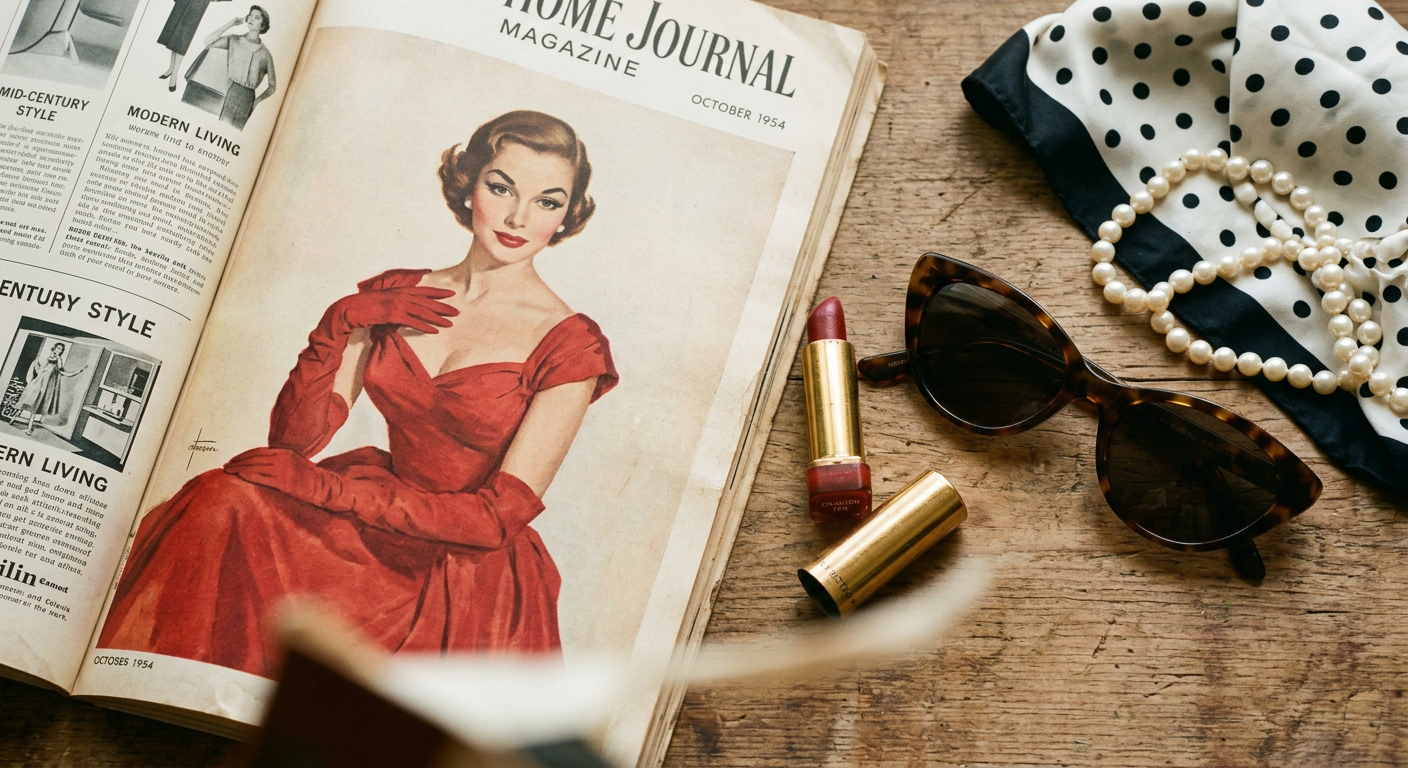
What Is a Pin-Up Girl? Origins and Definition of an Iconic Aesthetic
At its most literal, the term "pin-up" traces its roots to the simple physical act of fastening an image to a wall with a thumbtack, pushpin, or tape. During the early twentieth century, these mass-produced images—initially hand-painted illustrations, chromolithographic postcards, and eventually glossy studio photographs—were clipped from periodicals, calendars, and magazines to adorn the footlockers of servicemen, mechanical workshops, college dormitories, and barber shops.
Yet, defining a pin-up girl purely by her mechanical reproduction misses the emotional magic of the art form. At its essence, the pin-up aesthetic represents an idealized, vivacious, and romanticized vision of feminine beauty. Unlike conventional boudoir photography of the Victorian era, which tended toward demure, shadowy mystique, pin-up imagery was bathed in brilliant light, dynamic colour, and theatrical narrative. The classic pin-up model was not a passive muse; she was actively engaged in a playful scenario—catching her skirt on a fence, attempting to balance on roller skates, or greeting the morning sun with infectious laughter.
Crucially, the classic pin-up girl possessed a delicate balance between the "girl next door" and the siren of the silver screen. She was radiant rather than untouchable, joyful rather than stern, and captivating without being clinical. This unique balance between high glamour and everyday charm is precisely why the look continues to captivate modern dressers who crave fashion infused with personality, humour, and theatrical poise.
The Early Roots: From Victorian Burlesque to the Gibson Girl (1890s–1920s)
The cultural lineage of the pin-up stretches much further back than the radio-era studios of the 1940s. Its foundational spark ignited during the late nineteenth century, driven by theatrical pioneers who dared to challenge strict Victorian decorum. In the 1860s, British theatrical trailblazer Lydia Thompson brought her troupe, the "British Blondes", to the United States. Combining sharp political satire with daring burlesque costuming that showcased legs in silk tights, Thompson showed that women could command the stage with both wit and physical magnetism.
As printing technology evolved into colour lithography, images of popular vaudeville dancers, actresses, and Parisian cabaret performers began circulating on "cabinet cards" and tobacco trading inserts. Actresses such as Lillian Russell became living blueprints for the era's voluptuous ideal, proving that beauty could be celebrated publicly on an unprecedented commercial scale.
The Rise of the Gibson Girl: The Modern Woman Takes Shape
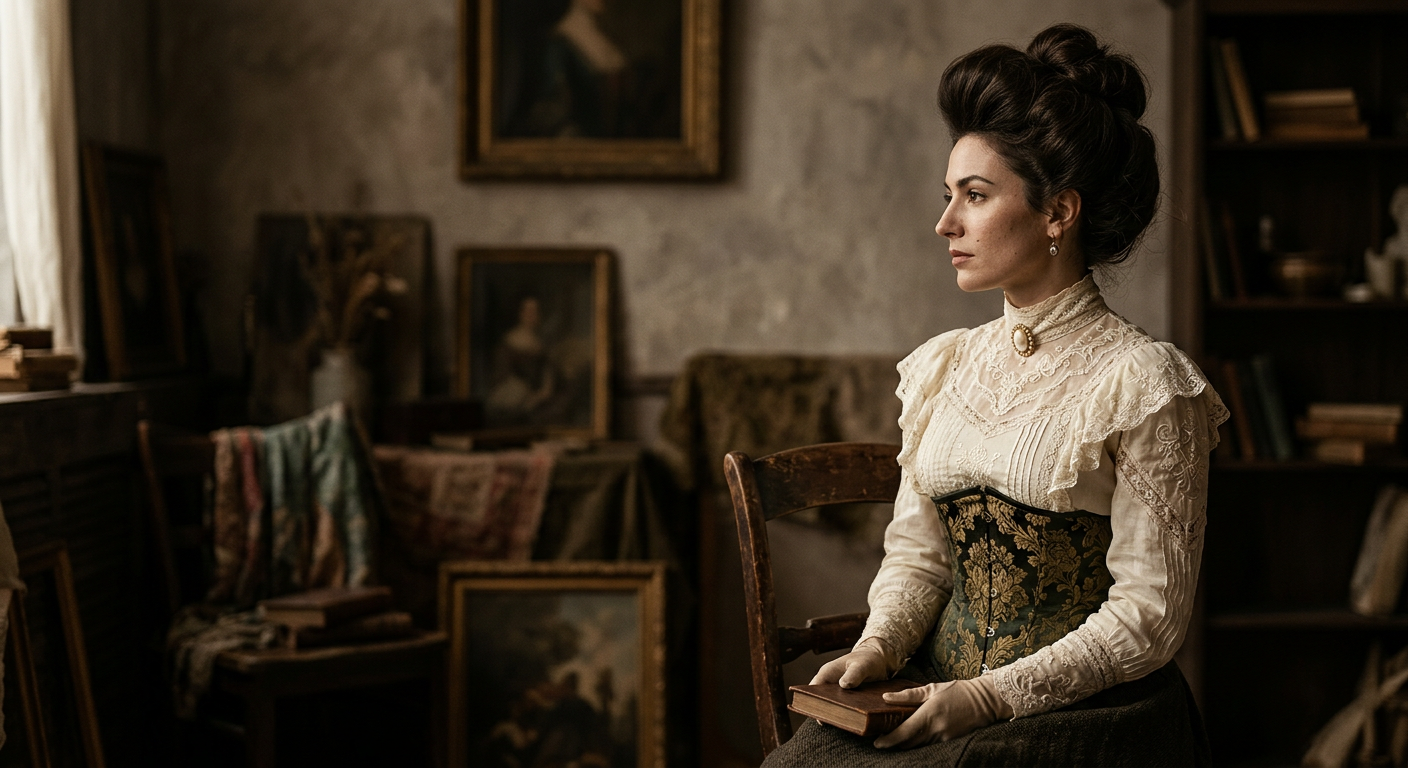
At the dawn of the twentieth century, artist Charles Dana Gibson created an illustrative sensation that would define a generation: the Gibson Girl. Appearing in the pages of Life, Collier's, and Harper's, Gibson’s pen-and-ink creation was tall, statuesque, and cinched into an S-curve corset, her hair swept into a soft, voluminous pompadour.
Unlike earlier depictions of domestic passivity, the Gibson Girl was modern, athletic, and fiercely independent. She was shown playing tennis, cycling, reading literature, and gazing coolly at would-be suitors with an air of amused detachment. Gibson provided the bridge between Victorian austerity and modern glamour, demonstrating that feminine allure was elevated, rather than diminished, by intelligence, autonomy, and athletic poise.
By the Roaring Twenties, this illustrative tradition shifted gears. The Flapper era brought shorter hemlines, dropped waists, and an explosion of art deco advertising. Illustrators like Coles Phillips pioneered the "Fadeaway Girl", where clothing blended seamlessly into the background pattern, creating an avant-garde celebration of chic geometry and feminine mystery that laid the aesthetic groundwork for the commercial pin-up artists of the 1930s.
The Golden Era: World War II, Vargas Girls, and Morale Boosters (1939–1945)
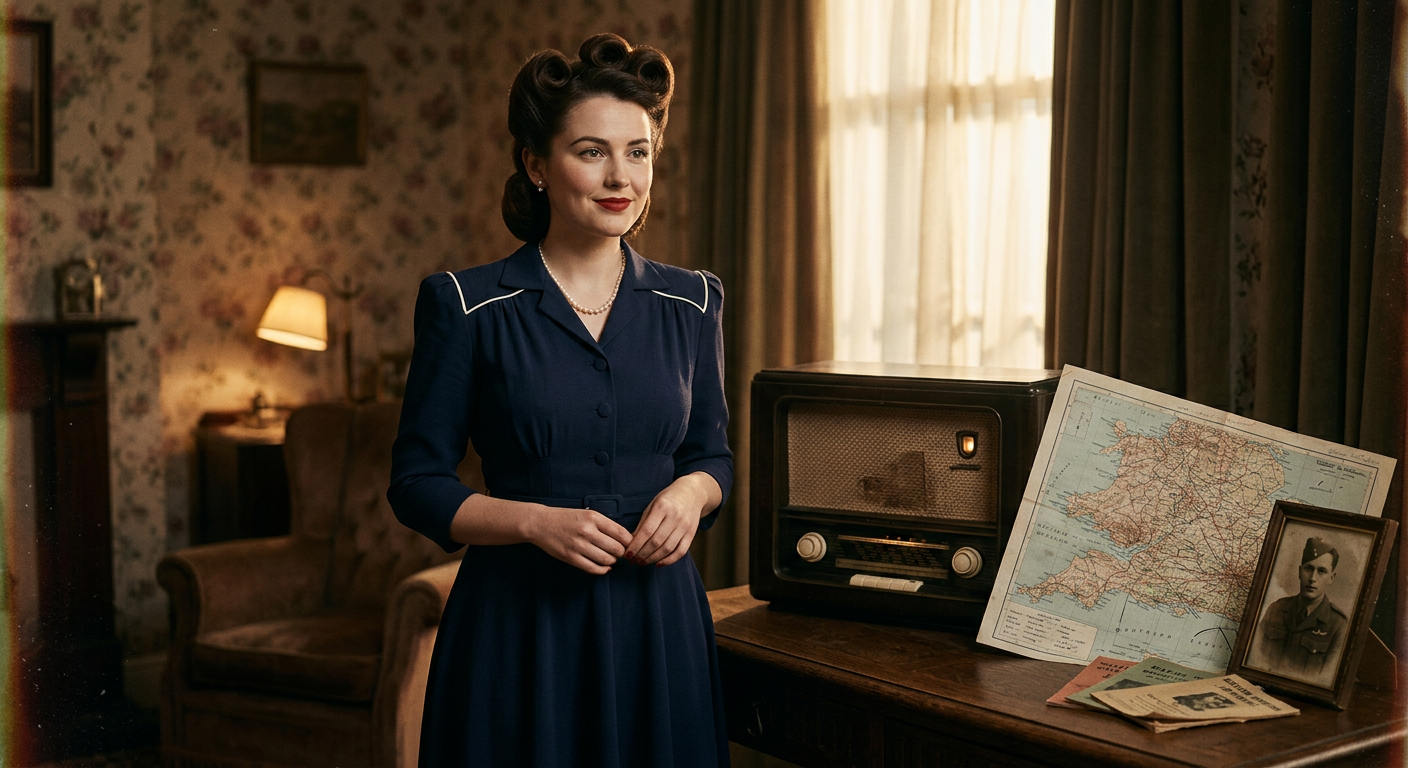
If the early twentieth century established the visual language of the pin-up, World War II transformed it into an international phenomenon. As millions of young Allied soldiers left home for campaigns across Europe, North Africa, and the Pacific, they carried with them miniature tokens of home, hope, and humanity. In an atmosphere dominated by danger, dirt, and displacement, the image of a radiant woman became a vital psychological tether to peaceful domesticity and romantic aspirations.
Publications quickly recognized the morale-boosting power of glamorous portraiture. Magazines like Esquire and Yank distributed millions of copies to armed forces overseas, featuring full-colour centrefolds that were eagerly pinned up inside aircraft barracks, submarine bunks, and field tents. The phrase "pin-up" officially entered the global vernacular during this crucible of conflict.
"Pin-up art was never about objectification in the eyes of wartime soldiers; it was an artistic beacon of warmth, light, and the peaceful world they were fighting to return to."
The Illustrative Masters: George Petty and Alberto Vargas
The visual definition of the wartime pin-up belonged undeniably to two brilliant illustrators: George Petty and Alberto Vargas. Petty became famous for his "Petty Girl", characterized by elongated, impossible limbs, porcelain skin, and playful poses often involving a telephone receiver. However, it was Peruvian-born artist Alberto Vargas who attained true cultural immortality.
Taking over Esquire’s pin-up pages in 1940, Vargas used delicate airbrush watercolours to create ethereal, translucent skin tones and luminous eyes. His "Vargas Girls" were elegant, graceful, and endowed with an effortless dignity. These illustrations were so ubiquitous that Allied bomber crews commissioned artists to replicate Vargas’s designs directly onto the fuselages of their B-17 and B-24 bombers. This famous "nose art" personalized industrial war machines with symbols of good fortune, domestic affection, and daring bravado.
Betty Grable: The Million-Dollar Legs That Built Morale
While illustrated sirens dominated the pages of men’s magazines, photographic pin-ups were equally transcendent. No single image defined the era more than Frank Powolny’s 1943 studio photograph of Hollywood starlet Betty Grable. Taken during a routine publicity shoot for 20th Century Fox, Grable was photographed from behind, glancing coyly over her shoulder in a tight one-piece white bathing suit, her smile radiant and her famous legs proudly displayed.
Over five million copies of Grable's photograph were printed and distributed, making it the most requested, circulated, and treasured pin-up photograph of the Second World War. Grable represented the ultimate girl-next-door: warm, unpretentious, and encouraging. Her image was carried into battle by British, American, and Commonwealth troops alike, cementing her place in cultural history as the queen of wartime glamour.
Channel Timeless 1940s & 1950s Charm
Embrace the joyful elegance of vintage glamour with our handcrafted collection of retro swing dresses, structured skirts, and vintage-inspired accessories tailored for modern living.
Explore the Louise Vintage CollectionThe 1950s Golden Age: Bettie Page, Marilyn Monroe, and the Bombshell Era
When the post-war economic boom arrived in the 1950s, pin-up culture blossomed into its most influential, diverse, and commercially triumphant phase. The mid-century decade abandoned wartime fabric rationing and embraced unabashed luxury, dramatic proportions, and uninhibited femininity. This golden era was defined by two diametrically opposed yet equally intoxicating icons who reshaped female glamour forever: Bettie Page and Marilyn Monroe.
Bettie Page: The Queen of Pinups and Dark-Haired Rebel
Emerging from Nashville, Tennessee, Bettie Page shattered the prevailing mid-century blonde standard with her jet-black hair, iconic bumper bangs, sculpted physique, and infectious, open-mouthed grin. Working with visionary photographers such as Irving Klaw and Bunny Yeager, Page brought an earthy, acrobatic authenticity to the medium.
Bettie was unique because her magnetism felt utterly free of artifice. Whether posing in homemade leopard-print swimsuits in the Florida Everglades or posing playful studio narratives, she projected unashamed confidence. Bettie Page transformed pin-up photography from a passive male spectator pastime into an energetic, collaborative celebration of female vitality. Her trademark aesthetic—heavy blunt fringe, dark arched brows, and dramatic leather or corset tailoring—remains the undisputed blueprint for the global rockabilly and goth-glamour movements today.
Marilyn Monroe: The Hollywood Bombshell
If Bettie Page was the queen of the alternative underground, Marilyn Monroe was the crowned goddess of mainstream culture. Monroe’s rise was directly tied to the pin-up format; her iconic 1949 red velvet calendar shoot, photographed by Tom Kelley, captured the world's imagination and launched her Hollywood ascendancy.
Monroe perfected the art of luminous, tactile glamour. With her soft platinum curls, signature beauty mark, and breathy charisma, she embodied the high-fashion consumer pin-up of the 1950s. Designers such as William Travilla dressed Marilyn in architectural satin gowns, pleated gold lamé, and iconic white halter dresses that emphasized her legendary 36-24-34 proportions. Monroe demonstrated that a pin-up sensibility could inhabit the highest echelons of cinematic art and global couture.
Anatomy of 1950s Pin-Up Fashion: Essential Style Codes
The transition of pin-up imagery from magazine pages into everyday consumer closets was instantaneous during the 1950s. Inspired by Christian Dior's revolutionary 1947 "New Look", mid-century fashion rejected utilitarian austerity in favour of lavish, sculptured silhouettes that paid homage to the classic hourglass. To master the vintage pin-up aesthetic today, one must understand the structural components that define its architecture:
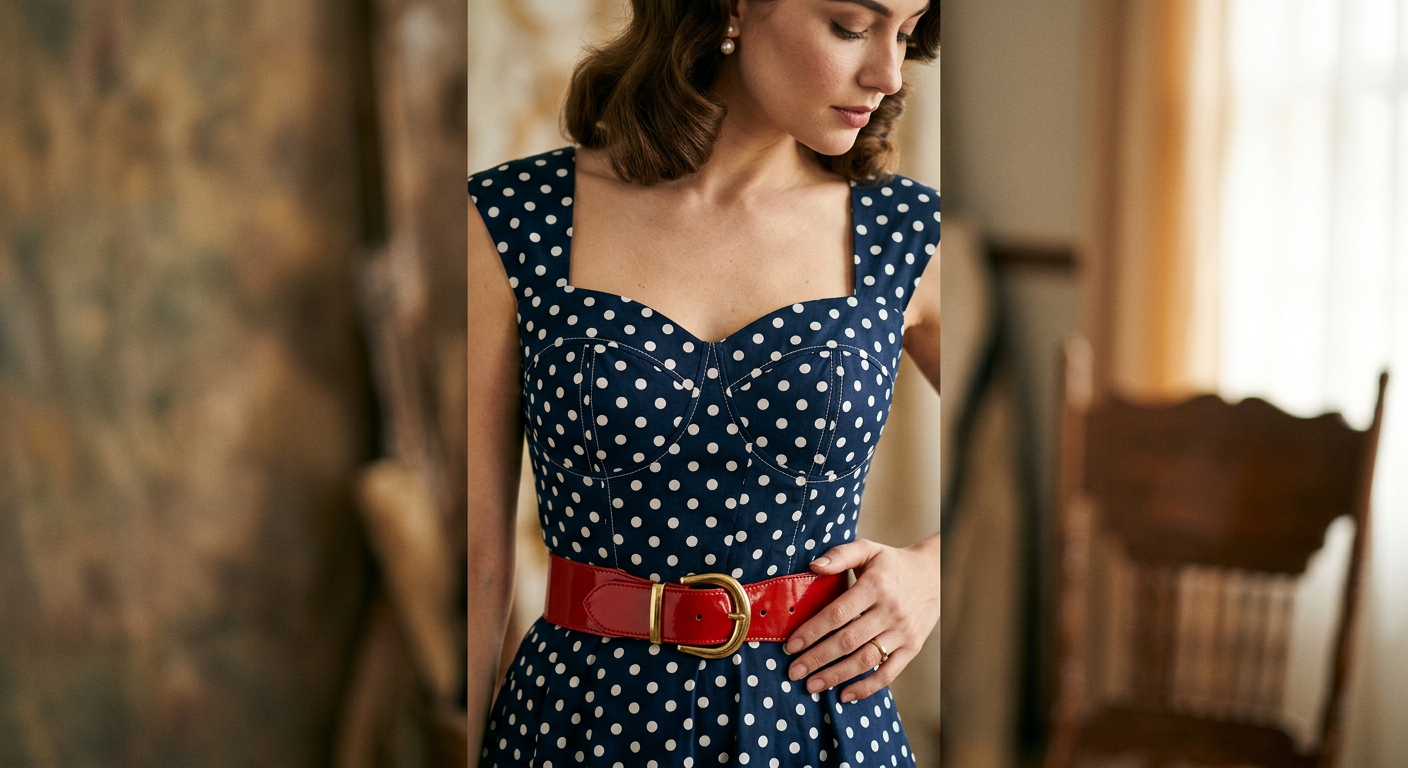
- The Structured Sweetheart Neckline: Cut low with a gentle heart-shaped dip over the bust, this neckline frames the collarbones, elongates the neck, and offers delicate vintage framing for statement jewellery.
- The Cinched Natural Waist: The absolute epicentre of the silhouette. Achieved historically through waspie corsets and girdle foundations, and today through clever tailoring, boning, and wide elasticated waist belts.
- High-Waisted Capri Pants and Cigarette Trousers: Made famous by Audrey Hepburn and Brigitte Bardot, these slim-fitting, ankle-grazing trousers emphasize the hip curve while remaining effortlessly practical for daily wear.
- Halter Necklines and Bare Shoulders: Originating from vintage resort wear and pin-up swimwear, halter ties draw the eye inward, creating the optical illusion of broader shoulders and a narrower waist.
- Graphic Mid-Century Prints: From classic polka dots and French gingham to playful conversational novelty prints featuring cherries, tropical tiki blooms, and sailor anchors.
Swing Dresses vs. Wiggle Dresses: Choosing Your Retro Silhouette
When selecting a vintage dress inspired by the golden age of the pin-up girl, you will inevitably encounter two pillar designs: the dynamic Swing Dress and the seductive Wiggle Dress. Understanding the distinct temperament and occasion of each is vital for building an authentic vintage wardrobe.
The Swing Dress: Joy, Movement, and Flamboyance
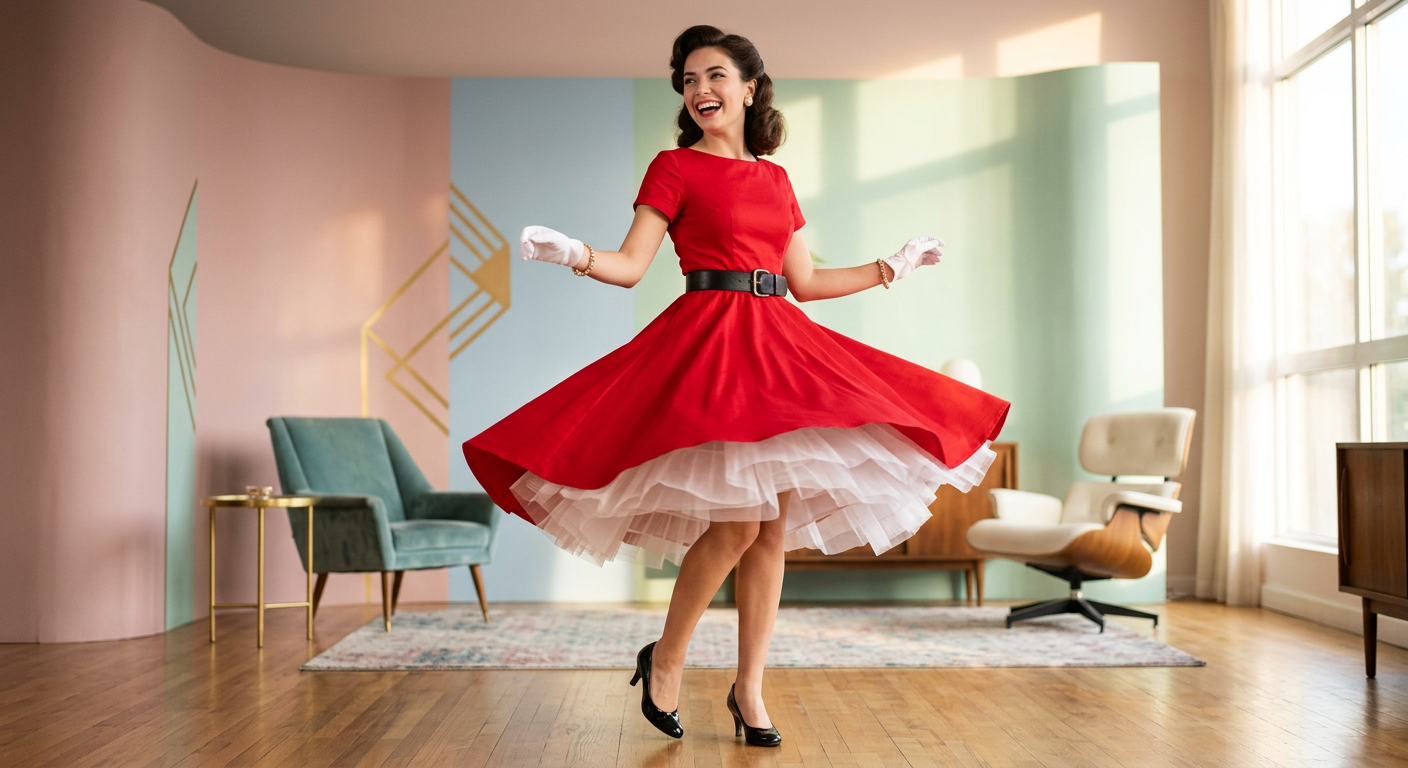
The swing dress features a closely fitted bodice paired with a dramatic full circle skirt. Built to dance, swirl, and command room-filling space, this dress draws direct inspiration from the jitterbug and rock 'n' roll dance halls of the mid-1950s. Supported underneath by layers of ruffled crinoline or tulle petticoats, the swing dress creates a flattering silhouette on all body types by skimming smoothly over the hips and accentuating the narrowest point of the torso.
Best suited for: Daytime vintage festivals, summer garden parties, rockabilly concerts, and retro weddings where dancing and comfort are paramount.
The Wiggle Dress: Precision, Power, and Seduction
In contrast to the buoyant volume of the swing dress, the wiggle dress is a tailored pencil silhouette cut closely against the body from shoulders to calf. Named for the distinct walking stride—a gentle, rhythmic hip sway—necessitated by its narrow pencil hem and kick-pleat, the wiggle dress is the uniform of the confident vintage vixen. Popularized by sirens like Joan Holloway in Mad Men and screen legends like Ava Gardner and Jane Russell, this style celebrates natural body contours with structured confidence.
Best suited for: Cocktail galas, evening dinner dates, formal retro events, and powerful professional styling when paired with a sharp tailored blazer.
Feminism, Reclamation, and the Modern Pin-Up Revival
For decades, conventional cultural critique dismissed pin-up imagery as a frivolous product of mid-century male gazes. However, as the 1990s and 2000s ushered in third-wave feminist discourse and subcultural revivalism, women around the world launched an extraordinary reclamation of the pin-up aesthetic.
Far from being passive objects of historical admiration, modern pin-up aficionados have seized control of the narrative. In the hands of contemporary women, non-binary vintage enthusiasts, and LGBTQ+ communities, dressing like a 1950s pin-up has become an act of joyful self-determination, body positivity, and artistic expression. Pin-up culture rejects the homogenized, hyper-skinny beauty standards promoted by contemporary fast fashion in favour of an inclusive ethos where women of all sizes, ages, ethnicities, and backgrounds are encouraged to celebrate their curves without apology.
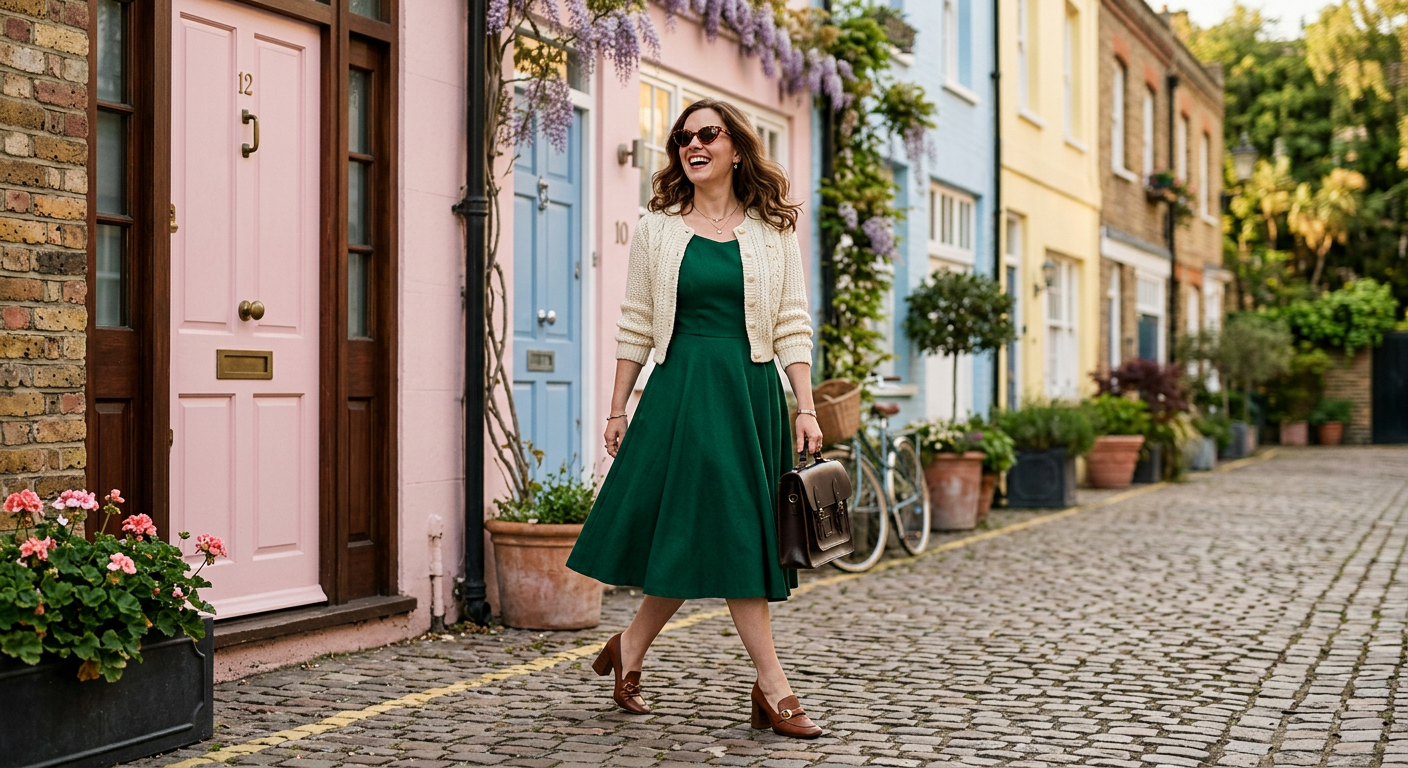
Within the British vintage subculture—from the Goodwood Revival to vibrant weekend flea markets in Shoreditch and Camden—pin-up style represents sisterhood, craftsmanship, and individuality. It is an intentional, creative ritual of dressing that honours the labour of self-adornment: perfecting the winged eyeliner, pinning victory rolls with vintage bobby pins, and walking with head held high in garments tailored to make the wearer feel radiant, formidable, and uniquely herself.
How to Style a 1950s Pin-Up Look for Modern British Everyday Wear
You don't need to step out in a triple-layered petticoat every Tuesday morning to enjoy the charm of 1950s pin-up fashion. The secret to integrating vintage pin-up glamour into a modern British wardrobe lies in balance, quality fabrics, and thoughtful contemporary styling.
Top 5 Rules for Effortless Modern Pin-Up Styling
- Pair High-Waisted Separates with Modern Staples: Match a 1950s high-waisted swing skirt with a clean white crew-neck t-shirt and low-top trainers for an effortless Saturday market stroll.
- Embrace the Power of the Cropped Cardigan: A staple of British mid-century style. Choose fine-gauge knit cardigans that sit directly at the waistband to maintain your hourglass silhouette without bulk.
- Incorporate Everyday Red: A classic blue-toned red lipstick paired with minimal, natural face makeup delivers immediate vintage glamour in under three minutes flat.
- Use Structural Waist Belts: Transform any flowy modern dress into a retro statement simply by cinching it with a wide, elasticated 1950s belt in contrasting cherry red or black patent.
- Invest in One Exceptional Petticoat: When attending weddings, galas, or weekend vintage rallies, a premium chiffon petticoat instantly elevates a swing dress into a show-stopping historical tribute.
Discover Your Signature Retro Silhouette
Step into the empowering glamour of the golden age. From timeless polka dot swing dresses to figure-flattering wiggle styles, find your next heirloom vintage piece at Louise Vintage.
Shop Vintage Pin-Up DressesFrequently Asked Questions About the History of the Pin-Up Girl
- When did the pin-up girl aesthetic first begin?
- The origins of the pin-up girl can be traced back to the late nineteenth century with French cabaret, Parisian postcards, and Victorian theatrical burlesque troupes like Lydia Thompson's British Blondes. However, the cultural and commercial explosion of the classic pin-up occurred between 1939 and 1955, spurred by World War II morale campaigns and the boom of mid-century fashion illustration.
- Who was the first famous pin-up girl?
- While early theatrical stars like Lillian Russell and the illustrated Gibson Girl set the earliest precedents, Hollywood actress Betty Grable is widely recognized as the first true mass-media pin-up sensation. Her 1943 bathing suit portrait became the defining morale image of World War II, distributed to over five million Allied servicemen.
- Why were they called "pin-up" girls?
- The phrase originated directly from the physical practice of cutting out illustrated or photographic portraits from magazines, calendars, and newspapers and literally pinning them up onto the walls, lockers, and barracks of soldiers, factory workers, and students during the early twentieth century.
- What is the difference between pin-up and rockabilly style?
- While closely intertwined, pin-up style emphasizes classic Hollywood glamour, tailored mid-century shapes, sweetheart necklines, and dramatic feminine silhouettes inspired by the 1940s and 1950s. Rockabilly style is a distinct subcultural offshoot that blends 1950s pin-up silhouettes with rock 'n' roll rebellion, greaser counterculture, tattoo art, leather jackets, western denim, and darker edge.
- Are pin-up girls considered vintage or retro?
- Historically, authentic mid-century garments and original artwork from the 1930s to 1950s are categorized as true "vintage" (which generally applies to items over 20 years old). Contemporary clothing inspired by this golden age is classified as "retro" or "vintage reproduction" (repro), offering modern sizing, durable stretch fabrics, and ethical contemporary production while honouring classic silhouettes.
- Who was the most popular pin-up girl during WWII?
- Betty Grable was definitively the most popular photographic pin-up girl of the Second World War. On the illustrative side, Alberto Vargas’s "Vargas Girls", published monthly in Esquire magazine, were the undisputed champions, painted directly onto hundreds of Allied aircraft as iconic nose art.
Embrace the Legacy of the Pin-Up Today
The history of the pin-up girl is far more than an archive of pretty pictures from a bygone era; it is a profound testament to the resilience, theatrical joy, and expressive potential of female fashion. From its humble theatrical beginnings and wartime duties to its rebellious 1950s peak and modern feminist reclamation, the pin-up silhouette remains an ageless celebration of confidence.
When you slip into a structured vintage swing dress, fasten a cinched belt, and step into the world with chin lifted high, you aren’t merely wearing clothes—you are participating in a century-old lineage of women who chose to be seen, celebrated, and unforgettable. Discover your own slice of timeless mid-century glamour today with the curated collections at Louise Vintage, and write your own chapter in this glorious style story.